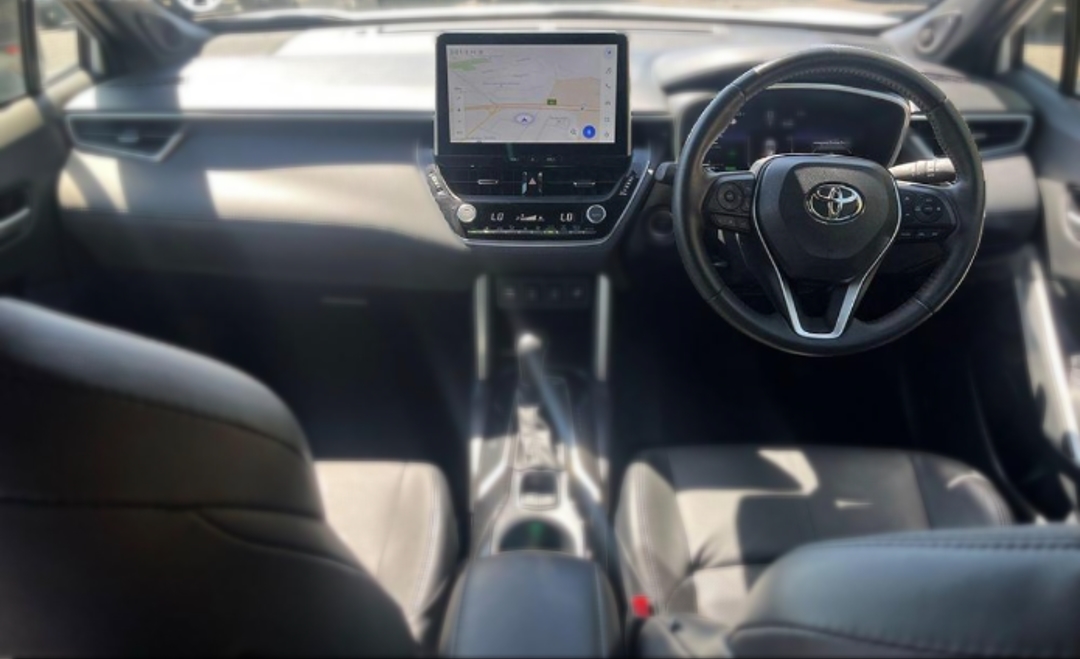
Creating Calm in the Car
Creating Calm in the Car
Helping Families Reduce Stress in Driving Practice
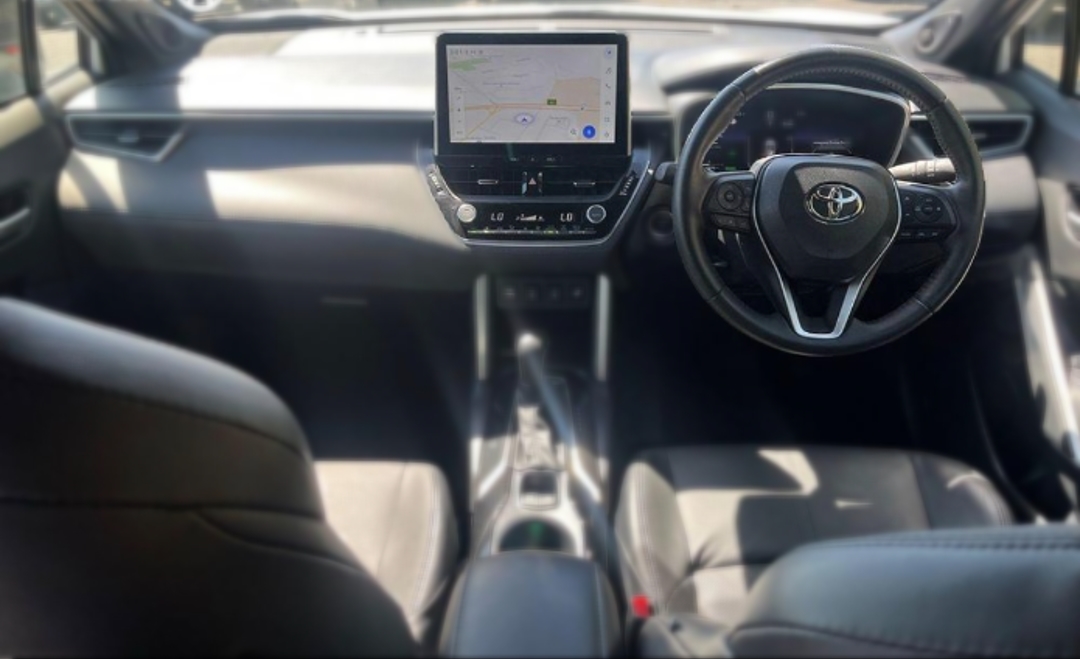
It usually starts the same way
This is something I see all the time with parents and teens in Coffs Harbour.
You go out for a practice drive thinking it’s going to be helpful, but within a few minutes the energy in the car changes. Someone gets frustrated, someone shuts down, and suddenly it doesn’t feel productive anymore.
And it’s usually not because anyone is doing something wrong. It’s just a really tricky dynamic — when you already know each other so well, even small corrections can feel bigger than they are.
There’s history there. There’s emotion. There’s expectation, even when nobody is saying it out loud.
So everything feels a bit heavier than it actually needs to be.
When the pressure leaves the car
When a learner comes into a lesson with me, the whole environment shifts.
There’s no shared history in the car. No emotional build-up from previous drives. No pressure sitting in the passenger seat.
It’s just one focus — learning to drive step by step, at a pace that makes sense for that person.
And you often see quite quickly that things that felt overwhelming at home suddenly start to click.
Calm changes everything
Most nervous or new drivers don’t actually need more information.
They need space to think without feeling judged or rushed.
When stress drops, concentration improves. And when concentration improves, learning happens faster and more naturally.
And honestly, it’s not just “being calm”.
It’s calm with experience behind it.
Years of road safety work, years of reading situations quickly, and years of knowing how to bring things back to simple when someone starts to panic.
That matters more than people realise.
“Sometimes it’s not the driving that’s stressful — it’s the dynamic in the car.”
A few small changes help
Sometimes the best thing a parent can do is shorten the drive, lower the expectations, and step back from trying to “teach everything at once”.
Even small changes make a difference — keeping sessions short, focusing more on observation than correction, and knowing when to pause before frustration builds.
It’s not about doing less care. It’s about removing pressure so learning can actually happen.
How I approach lessons
At CCDA, lessons are designed to build confidence from the ground up.
That means working with nervous drivers, first-time learners, and teens who need a calm, structured environment to build real driving skills — not just test preparation.
Each lesson is paced to the individual, so they can actually absorb what’s happening instead of feeling overwhelmed by it.
The goal isn’t perfection
Driving practice at home shouldn’t feel stressful.
It should feel steady, safe, and manageable — even if mistakes happen along the way.
And when that pressure comes down, things usually improve faster than most people expect.
Book a lesson
If practice drives at home are starting to feel stressful, a calm, structured lesson can make a real difference.