Stop Correcting Everything: Why Focusing on One or Two Skills Per Drive Works Better
Stop Correcting Everything: Why Focusing on One or Two Skills Per Drive Works Better
Rosie Skene
One thing I often see with families of learner drivers is trying to do too much, too fast. Making a child drive straight through the CBD immediately after getting their L's, or navigating a 40-minute country road on one of their first drives. For me, that's a lot of pressure to place on a young person, no matter how capable they seem.
I completely understand the old adage of sink or swim, let's see how they go. The intentions are usually good. As parents, we want our kids to learn quickly, become independent and, most importantly, be safe. But there are often much better – and safer – ways to go about it.
After years of being in control behind the wheel, handing over those controls to your young person can feel incredibly daunting. I know. Add in an overconfident teenager and it can be a recipe for arguments, tears, raised voices, or someone declaring, "I'm never doing this again!"
As the supervising driver, you're sitting in the passenger seat noticing every little thing. In an attempt to be helpful and speed up the learning process, you may find yourself commenting on almost everything they do. Unfortunately, what often happens is the opposite of what you're hoping for. Instead of learning faster, your learner becomes overwhelmed and wants to take a step back.
The challenge is that if they sink on that very first drive, it can take weeks or even months to rebuild their confidence.
Learners Are Already Working Hard
It's important to remember just how much a learner driver is taking on board every time they get behind the wheel.
They're managing steering, accelerating, braking, speed control, mirrors, indicating, road signs, hazard perception, roundabouts, other vehicles, pedestrians, cyclists, traffic lights, directions, gears and clutch control if applicable, and sometimes even a nervous parent sitting beside them.
That's a huge cognitive load.
By trying to cover too much too quickly, you run the risk of very little actually being retained. You can find yourself feeling like you're starting from scratch every drive because there simply hasn't been enough repetition for those skills to stick.
Why Constant Corrections Don't Help
For both neurotypical and neurodiverse young people, a constant stream of information can become overwhelming very quickly.
When a learner hears:
"Check your mirrors."
"Slow down."
"Move over."
"Brake earlier."
"Watch that car."
"You forgot your indicator."
their brain can quickly move into stress mode.
You may notice them becoming defensive, insisting they know what they're doing, or asking you to stop talking altogether. Sometimes they stop driving to learn and instead begin driving simply to follow your instructions and avoid criticism.
Confidence can take a real hit if every practice drive feels like an hour-long assessment where all they hear is what they've done wrong.
Over time, this can lead to something even more challenging – driving refusal. Once a learner loses confidence and no longer wants to get behind the wheel, rebuilding that trust can take considerable time and patience.
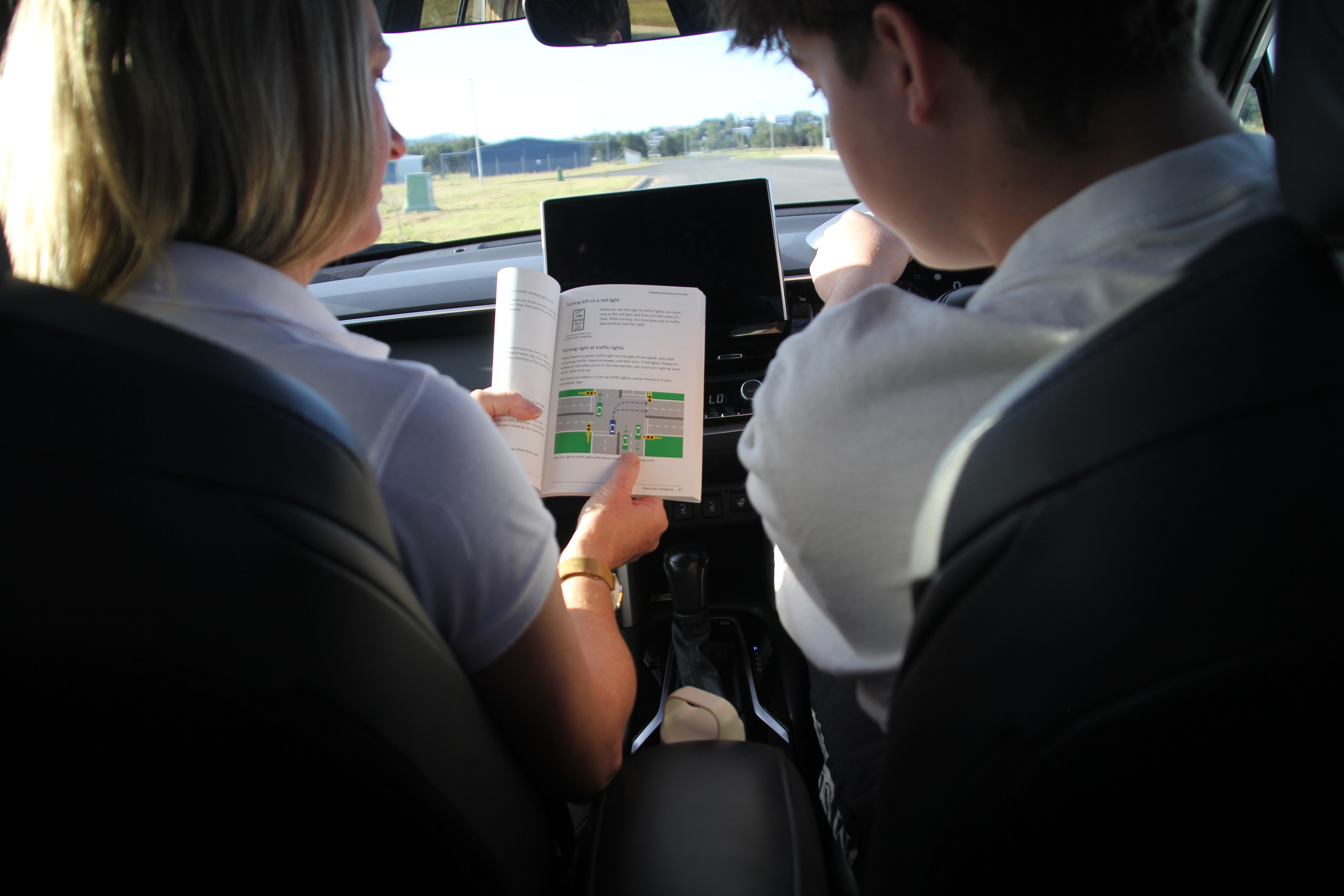
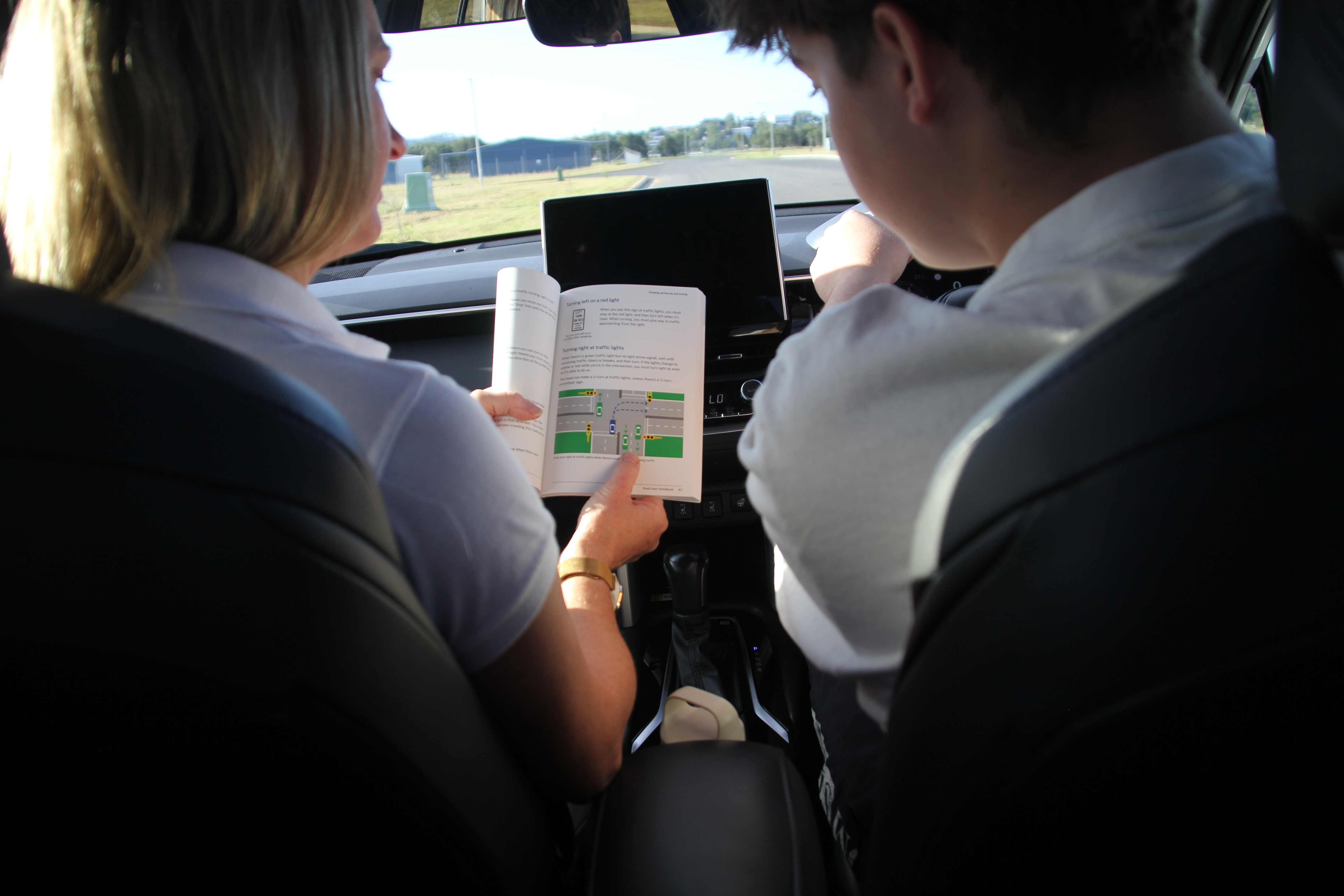
Try Having a Focus for Each Drive
One of my biggest suggestions is to make use of the resources already available to you – your Learner Driver Logbook and the Guide to the Driving Test.
Start at Learning Goal Number 1 and gradually work your way through the goals over the course of the 120 hours.
Before each drive, decide on one or two skills to focus on.
For example:
"Today we're going to focus on our M.I.S.S. technique and smooth braking."
On another drive, you might focus on:
Mirror checks
Safe following distances
Steering control
Parking
Gap selection
Lane positioning
Roundabouts
Choose an area that's suitable for practising those skills and let everything else take a back seat for the day.
That doesn't mean we ignore mistakes. It means we choose which mistakes to focus on today and which ones we simply make a mental note of for another drive.
If your learner seems to understand a concept well, move on to something new and revisit it later to make sure the knowledge has genuinely stuck.
Catch Them Doing Something Right
Positive feedback matters more than you might think.
As Australians, we can sometimes be very good at pointing out what needs improvement and not quite as good at recognising what's going well.
Confidence grows when learners are acknowledged for the things they're doing correctly, almost correctly, or simply taking positive steps towards.
People learn best when they feel safe enough to make mistakes along the way. If a learner spends the entire drive worried about doing something wrong, there's a good chance much of what you're trying to teach them will go in one ear and out the other.
That doesn't mean mistakes aren't important. Indicators, head checks and safe decision-making absolutely matter. But explaining why something needs to change is often far more effective than pointing out every error.
At the end of a drive, try asking:
"How do you think that went?"
Then follow up with comments such as:
"I noticed your mirror checks were much more consistent today."
"Your braking felt much smoother this drive."
"You handled that busy intersection really calmly."
Constructive feedback isn't about picking apart every moment. It's about helping learners recognise their own progress and giving them confidence to keep practising.
Final Thoughts
Driving isn't about being perfect 100% of the time. It's about building safe driving habits in a way that is supportive, constructive and achievable for the learner.
This time in your learner's life should be fun. It's on us, as supervisors, to stay calm, be patient and provide opportunities for them to succeed.
If you remember just one thing from this article, let it be this:
People learn better when skills are compounded. Start with the basics in quiet areas and gradually build their exposure. You'll both enjoy the process more, and chances are they'll learn much faster too.
If you're unsure where to begin, my biggest recommendation is to book at least a couple of lessons with a qualified instructor. We can help set your learner up to develop safe, confident driving habits from day one, giving you a clear direction for practice at home and making those final lessons before the driving test far less stressful.
Safe, confident drivers aren't built in a day. They're built over hundreds of small, positive experiences behind the wheel.

About Rosie Skene:
Rosie is a qualified driving instructor and founder of Coffs Coast Driving Academy. She helps learner drivers and their families create calm, confident driving habits — because safe driving is built through patience, practice, and positive experiences, not pressure.

